
Top Trends Every Business Should Know
Introduction
The New Standard is AI-Powered Marketing
Digital marketing never stands still. Every year brings new technologies, changing customer expectations, and fresh opportunities for businesses to connect with their audience. In 2026, these changes are happening faster than ever. Artificial intelligence is transforming how brands create content, search behavior is evolving, and customers expect personalized experiences across every touchpoint.
The good news is that you don’t need to adopt every new trend overnight. The key is understanding which changes will have the biggest impact on your business and using them to build stronger relationships with your customers.
Let’s explore the top digital marketing trends that are shaping 2026 and how your business can stay ahead of the competition.
The New Standard is AI-Powered Marketing
Artificial intelligence is no longer just a buzzword—it’s a practical tool that helps businesses work smarter. From content creation and customer support to campaign optimization and data analysis, AI is making marketing more efficient.
Businesses are using AI to:
- Generate content ideas
- Analyze customer behavior
- Improve email marketing campaigns
- Create personalized product recommendations
- Automate repetitive marketing tasks
However, successful businesses understand that AI works best when combined with human creativity. Customers still value authentic stories, real experiences, and genuine connections. AI should support your marketing efforts, not replace your brand’s unique voice.
Voice Search Continues to Grow
More people are using voice assistants to search for products, services, and information. Instead of typing short keywords, users ask complete questions like they would in a normal conversation.
For example, instead of searching for:
“best coffee shop Kannur”
They might ask:
Which coffee shop in my neighborhood is the greatest right now?
This shift means businesses need to create content that answers real questions naturally. FAQ pages, conversational blog posts, and locally optimized content can improve your chances of appearing in voice search results.
Generative Engine Optimization (GEO) is the Future of Search
Search is no longer limited to traditional search engines. AI-powered platforms like ChatGPT, Gemini, and Perplexity are changing how people discover information.
Instead of scrolling through multiple websites, users receive direct answers generated from trusted sources.
Generative Engine Optimization (GEO) is crucial in this situation.
Businesses should focus on creating:
- Helpful and trustworthy content
- Well-structured articles
- Original insights
- Clear answers to customer questions
- Content that demonstrates expertise
By optimizing for both search engines and AI platforms, businesses can increase their visibility across multiple digital channels.
First-Party Data is More Valuable Than Ever
As privacy regulations continue to evolve and third-party cookies become less reliable, businesses are focusing on collecting first-party data.
First-party data is information customers willingly share with your business, such as:
- Email subscriptions
- Purchase history
- Website interactions
- Customer feedback
- Loyalty program activity
This data helps businesses understand their audience better while building trust and respecting user privacy.
The stronger your relationship with your customers, the more valuable your first-party data becomes.
Personalized Customer Experiences Win More Customers
Today’s customers expect brands to understand their needs.
Generic marketing messages are becoming less effective, while personalized experiences continue to improve engagement and conversions.
Personalization can include:
- Product recommendations
- Customized email campaigns
- Location-based offers
- Personalized website content
- Tailored advertising
The goal isn’t to overwhelm customers with data-driven marketing but to make every interaction more relevant and meaningful.
When customers feel understood, they’re more likely to trust your business and become loyal buyers.
Marketing Automation Saves Time and Improves Results
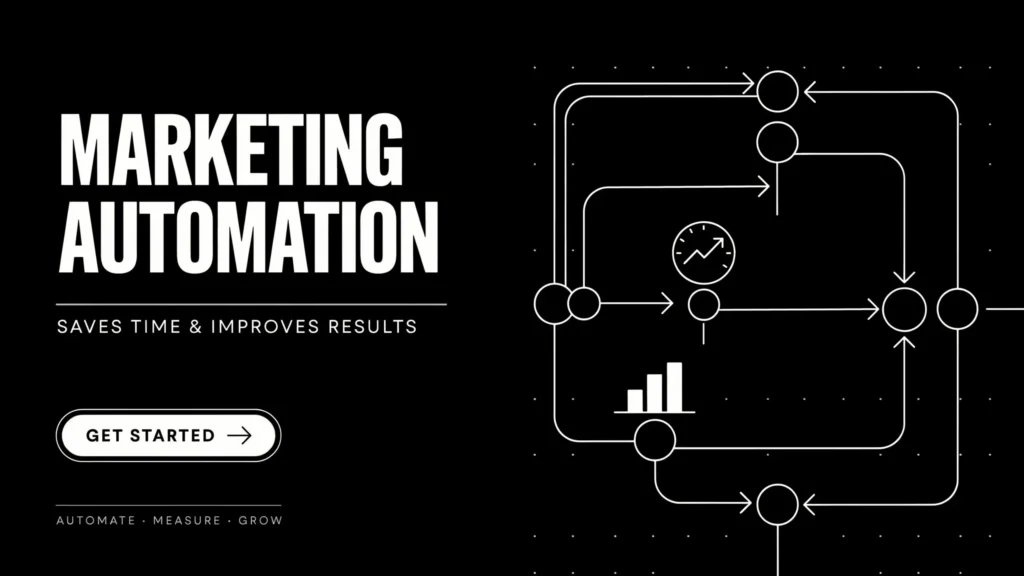
Running a business means managing multiple responsibilities. Marketing automation allows businesses to handle repetitive tasks without sacrificing quality.
Automation can help with:
- Email sequences
- Lead nurturing
- Social media scheduling
- Customer follow-ups
- Appointment reminders
- Performance reporting
Instead of spending hours on manual tasks, your team can focus on strategy, creativity, and customer relationships.
Automation doesn’t replace people—it gives them more time to do meaningful work.
Short-Form Video Still Dominates
Video remains one of the most engaging forms of content in 2026. Platforms continue to prioritize short, informative, and entertaining videos that capture attention quickly.
Businesses don’t need expensive equipment to create effective videos. Simple content that educates, answers customer questions, or shares behind-the-scenes moments often performs better than highly polished advertisements.
Authenticity matters more than perfection.
Building Trust is More Important Than Ever
Customers have endless choices online, which means trust has become one of the biggest competitive advantages.
Businesses that consistently provide value, share honest information, respond to customer feedback, and demonstrate expertise are more likely to stand out.
Simple ways to build trust include:
- Publishing helpful content regularly
- Sharing customer testimonials
- Displaying genuine reviews
- Maintaining an active online presence
- Being transparent about your products and services
Trust isn’t built overnight, but it’s one of the most valuable assets a business can have.
How Businesses Can Stay Ahead
The digital marketing landscape will continue to evolve, but one principle remains the same: focus on your customers.
Rather than chasing every trend, invest in strategies that genuinely improve the customer experience. Use AI to increase efficiency, create valuable content, personalize your marketing, and build lasting relationships with your audience.
Businesses that stay flexible and continue learning will always have an advantage in an ever-changing digital world.
Conclusion
Digital marketing in 2026 is about more than keeping up with technology—it’s about understanding how people search, interact, and make decisions online. From AI-powered marketing and voice search to Generative Engine Optimization (GEO), first-party data, personalization, and automation, these trends are shaping the future of how businesses connect with customers.
The businesses that embrace these changes while staying focused on delivering real value will be better positioned to grow, build trust, and stay competitive. Adopting every trend at once is not necessary. Start with the strategies that align with your goals, measure the results, and continueadapting asthe digital.